
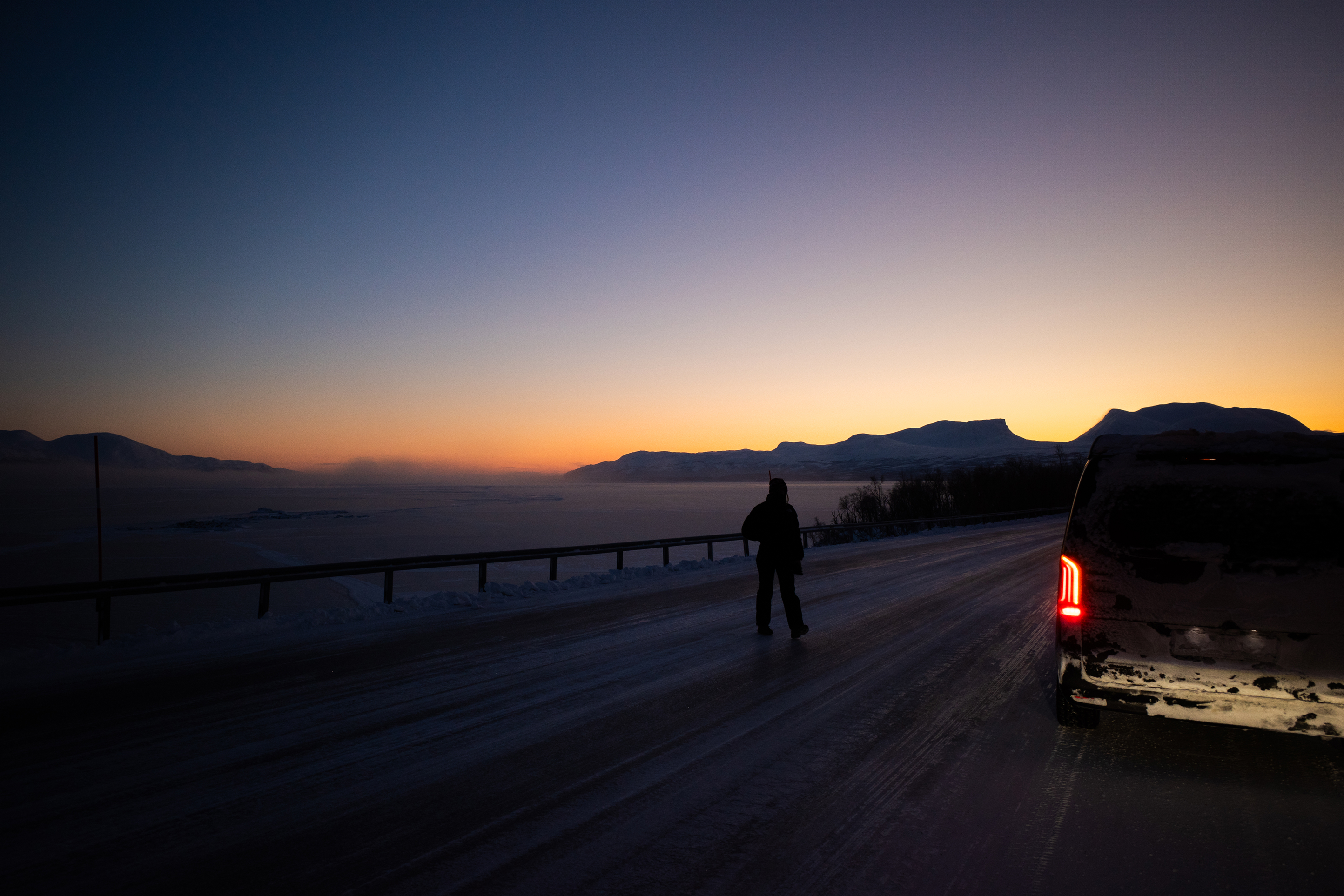
Early January, two Offtrack Campers, one mission: head as far north as possible. Our destination was Kiruna and Abisko National Park in Swedish Lapland.
What began as a content trip and vehicle test quickly became one of the most impressive travel experiences we have ever had. We were on the road for around 10 to 12 days in total: about three days each for the journey there and back, plus roughly four days on site. With our Vito Expedition Pro and V-Class Expedition, we drove through snow, ice, and a world that felt like another planet.
From Hamburg Beyond the Arctic Circle
Our route took us from Hamburg via Stockholm and Lulea to Kiruna and finally into Abisko National Park. The outward and return routes were identical: a long but incredibly varied road trip across Scandinavia.
A Completely Different World
What awaits you in Swedish Lapland in January is hard to put into words. There are only around two hours of daylight per day, but the light is so clear and special that you will not find it anywhere else. Extreme amounts of snow, icy temperatures, and a silence that feels almost unreal.
The landscape changes dramatically on the way north: endless forests dominate around Kiruna, while Abisko adds mountains to the scene, all covered in deep snow with vast untouched spaces as far as the eye can see. We saw many animals along the way, especially reindeer.
The feeling up there is hard to describe. It is like entering a completely different world: surreal, quiet, and incredibly impressive.
Winter Driving in Lapland
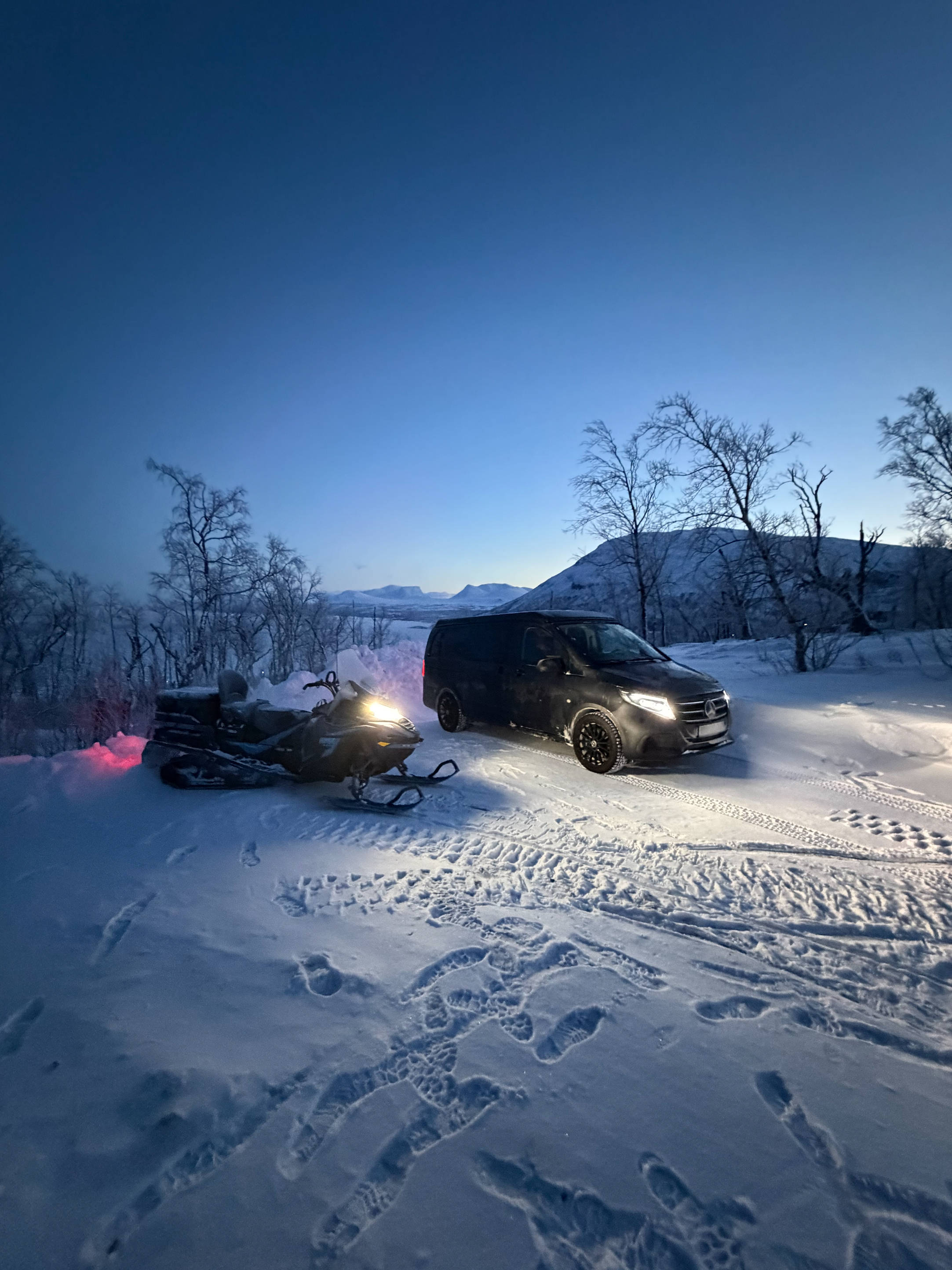
The roads in Swedish Lapland are almost continuously icy in winter. Locals drive exclusively on studded tires, and you can tell. Anyone traveling up there has to drive extremely carefully. Overall, though, we had very good weather: often clear and sunny, just at brutal temperatures down to -37 degrees.
What positively surprised us was how incredibly friendly and helpful people in the north are. And although the conditions are extreme, everything works astonishingly well up there. The Swedes have adapted perfectly to their winter.
A Small Crisis on the Highway
On the road, one of the vehicles suddenly had almost no power. The cause: the air filter was completely iced over and packed with snow. We cleared it at the next gas station, and everything ran perfectly again afterward. A lesson worth keeping in mind when traveling in these temperatures.
Sleeping at -30 Degrees
Can you spend the night in a camper at -30 degrees? Short answer: yes, without any problem, if the setup is right. Our auxiliary heater ran all night, supported by magnetic insulation mats on the windows and a regular sleeping bag. The result: comfortably warm all night long.
Both vehicles stayed warm throughout, and the engines started without any issues the next morning every time, despite temperatures that sometimes reached -37 degrees.
What was truly challenging was everything that happened outside. At these temperatures, even getting changed is a test. But inside, with our Offtrack setup, it was absolutely manageable, and that is probably the strongest argument for a well-built camper.
Auxiliary Heater
Absolutely essential. Without an auxiliary heater, nothing works at these temperatures. It ran all night and kept both vehicles reliably warm.
Magnetic Insulation Mats
The second decisive factor. The insulation mats on the windows keep the cold outside and the warmth inside.
A New Spot Every Evening
Throughout the entire trip, we camped freely: no campsites, no bookings. Every evening we looked for a new spot. What you need to know is that many parking areas and overnight spots are not cleared in winter. That limits the options, but also makes the whole experience more adventurous.
What You Can Experience
Kiruna is the perfect starting point for tours in the region. From here you can visit the famous Icehotel, explore reindeer farms, go on husky tours, or hike through the winter landscape.
Snowmobile Tour
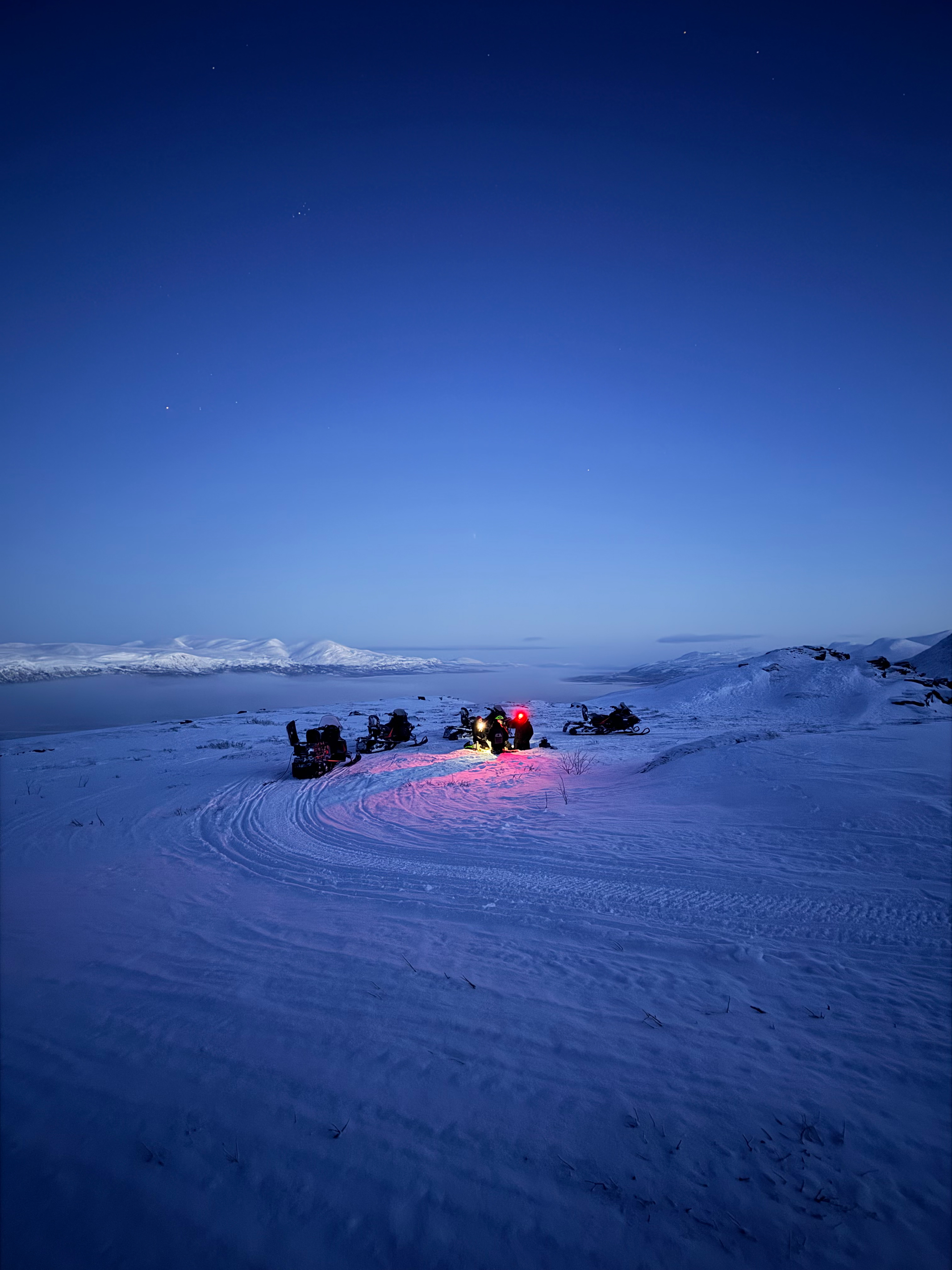
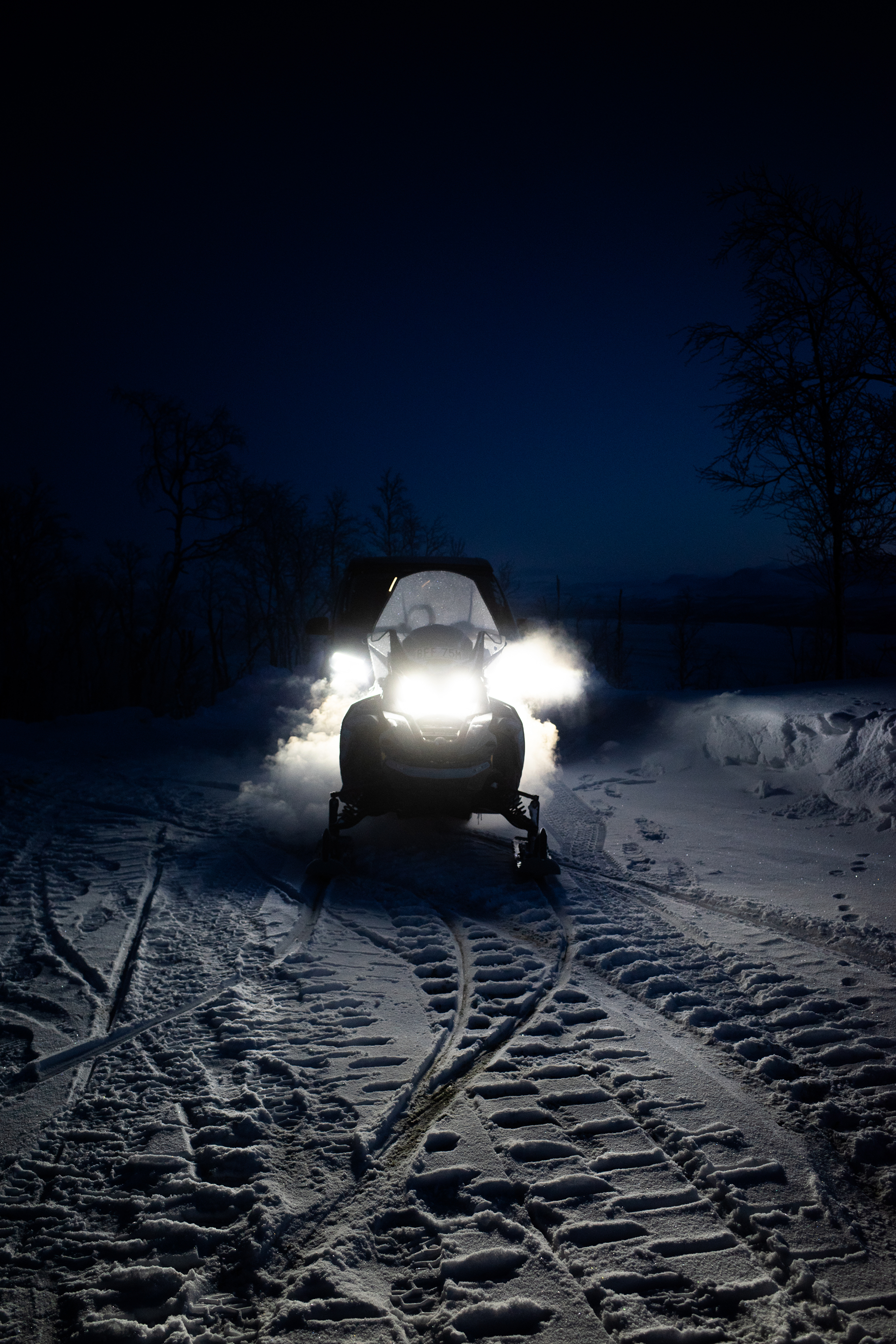
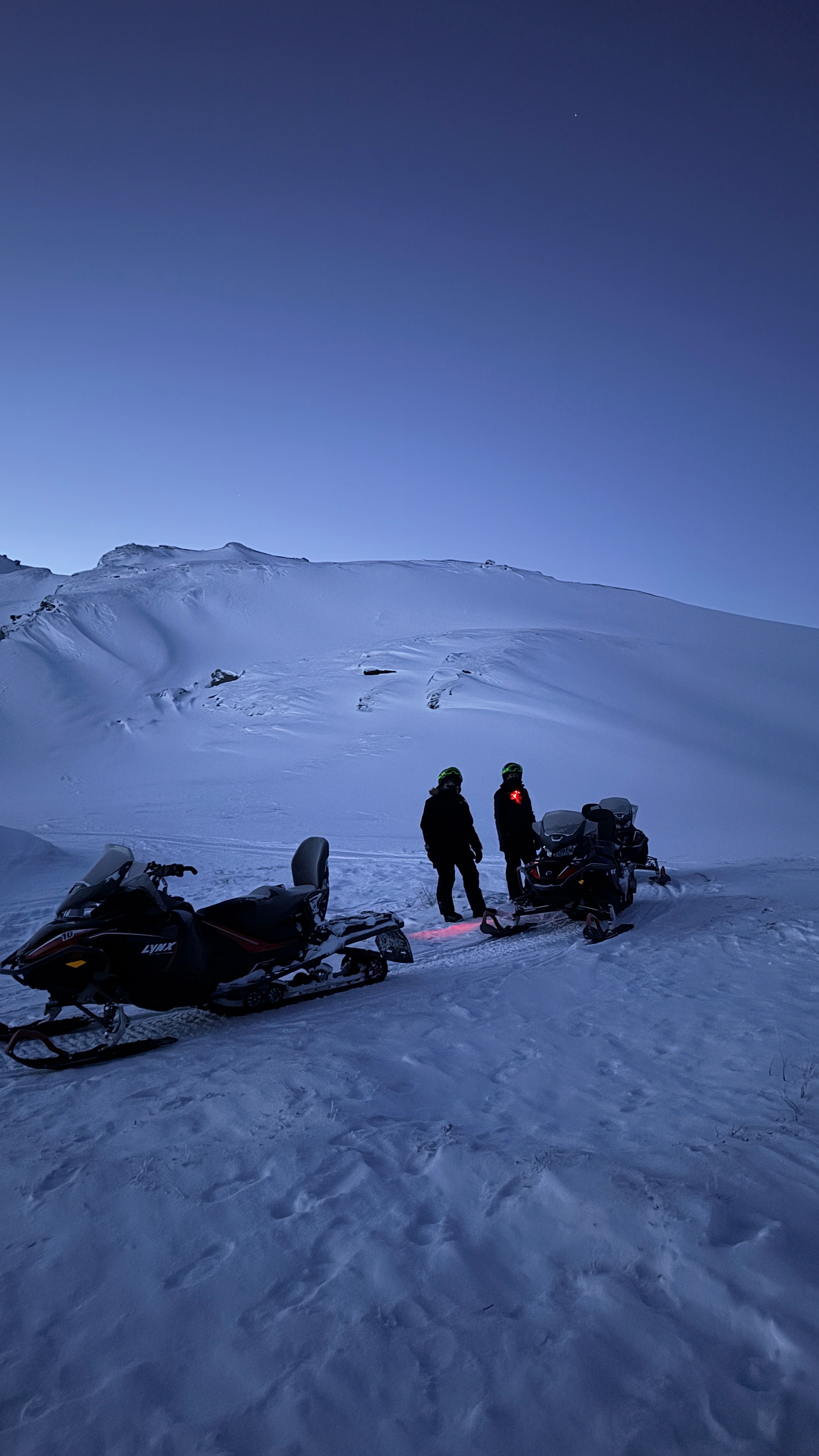
With Outback Abisko through the national park: absolutely recommended. Experiencing the vastness of the landscape on a snowmobile is incredible.
Ice & Snow Hikes
Spectacular hikes through Abisko National Park. The extreme silence makes every step feel special.
Northern Lights
Tip: the "Aurora" app provides reliable northern lights forecasts and helps with planning.
The Magical Moment
One evening near Kiruna: a moose with its calf right in front of the car. The animal looked bigger than the vehicle: absolutely magical.
Tips for Other Travelers
Best Time to Travel
According to locals: mid to late February. More daylight than in January, but still pure winter wonderland. And the chances of seeing northern lights are just as good.
Packing List Essentials
Very warm clothing (layering system), really good boots, mittens (not finger gloves!), and a warm hat.
Winter driving
Drive carefully: the roads are almost continuously icy. Studded tires are standard up there. And always remember: the air filter can ice over in extreme cold.
Northern Lights
Use the "Aurora" app. It provides reliable northern lights forecasts and helps you find the best time and place to watch.
Fun Facts from the Trip
Bei -37°C friert sogar der Schaum von Cola sofort ein
Only about 2 hours of daylight per day, but with unique light
Studs on the roads are completely standard there
Extreme silence and vastness, like another planet
Absolutely Recommended
This trip exceeded everything we expected. Nature in Swedish Lapland is unbelievably impressive, the people are extremely friendly, and the feeling of traveling through this almost surreal winter world is indescribably intense.
Who is a trip like this for? For anyone who wants to experience something completely new. For adventurers and nature lovers who are not afraid of the cold and are ready to leave their comfort zone.
With the right setup, even extreme conditions like these are absolutely manageable. Our Offtrack Campers passed the endurance test with flying colors.
Our Vehicles on This Trip
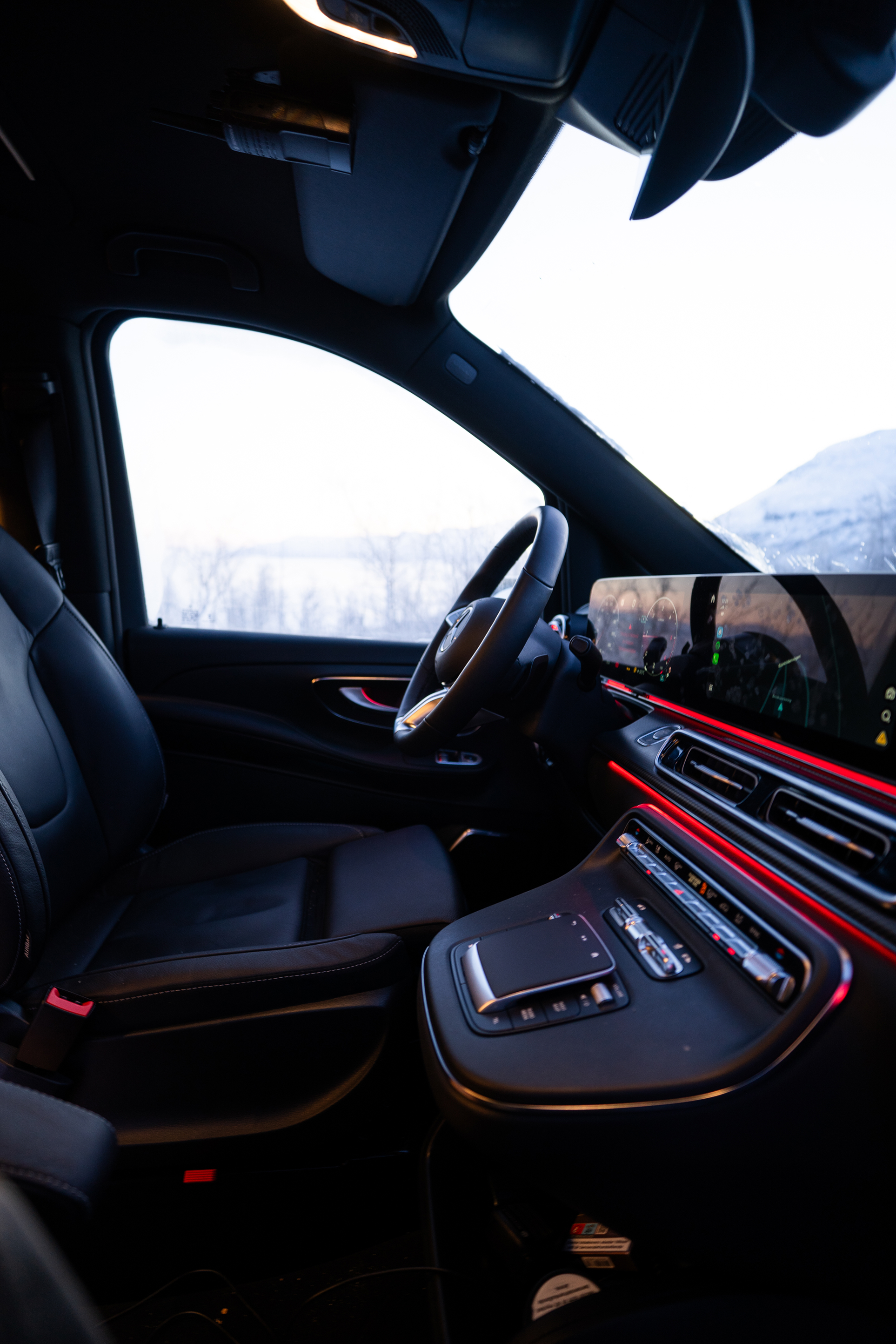
Vito Expedition Pro
Compact & agile
V-Class Expedition
Spacious & comfortable